How Word Meanings Traveled Before Printed Dictionaries
How word meanings traveled before printed dictionaries: see how conversation, teaching, travel, and written records carried language between communities.
Ask how word meanings traveled before printed dictionaries, and the answer begins in ordinary encounters: someone names a tool, teaches a task, or writes a term in a letter. These situations show how people could share and adapt words without relying on a single reference book.
How did conversation make meaning clear?
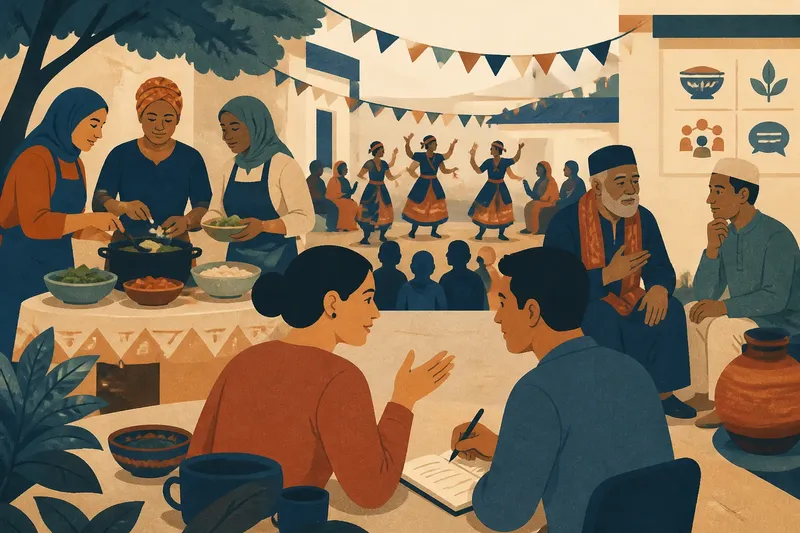
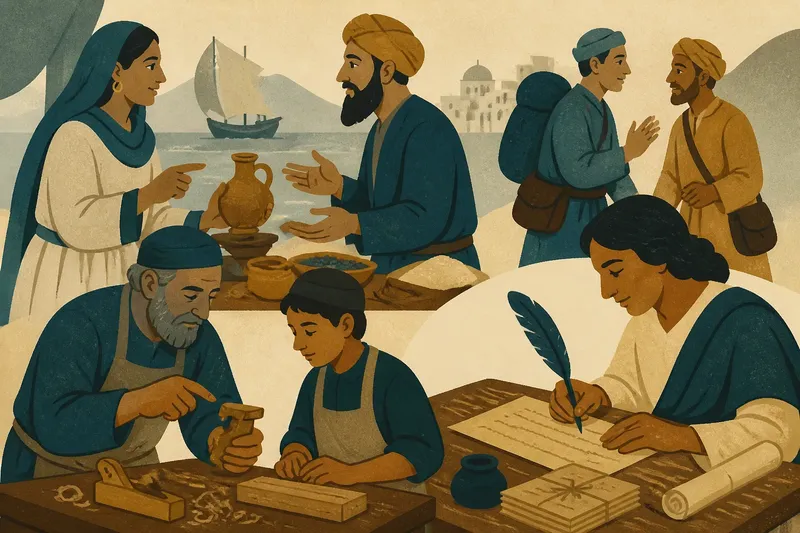
A listener can often infer an unfamiliar word from the scene around it. A speaker might name a tool while handing it over, or use a term during bargaining as both people point to the same goods. Gesture, tone, and circumstance help connect a sound to an action or object.
That understanding may be local rather than complete. A listener could grasp a word in one exchange without knowing whether it named one vessel, a whole kind of vessel, or the work done with it. Further conversations offered more clues.
Repeated encounters also shaped a word’s associations. A term used warmly among neighbors might sound formal in an announcement. Speakers could understand one another without sharing every nuance, because the situation supplied part of the meaning.
Notice what a speaker is doing with a word, not only what substitute definition might fit.
How did teaching connect words to routines?
People passed language along through explanation and imitation. A parent, craft worker, religious instructor, or apprentice could introduce a term while demonstrating a familiar task. The learner heard the word, watched how it was used, and tried it in the same setting.
Routine gave a word a dependable place in memory. A learner might associate a term with preparing food, sorting materials, or addressing someone respectfully. Repeating the activity helped the learner recognize and use the term later.
Teaching could also preserve distinctions that casual conversation left unclear. A practitioner might explain why similar objects had different names, or why a form of address changed with a relationship. The lesson conveyed not just a label but a way of noticing what mattered in that community.
Say an apprentice hears a craft term as a teacher demonstrates shaping a piece of wood. The apprentice later uses that term for the same part while speaking with another worker; the expected result is that the shared task makes the reference understandable, even without a written definition.
How did travel bring words into new settings?
Trade, migration, service, and travel brought speakers into contact with unfamiliar terms. A traveling seller might learn a local name for a material; a newcomer might use a word from home in a neighborhood where it was unfamiliar. People could borrow words to discuss objects, practices, or relationships they encountered.
A borrowed word might be adapted to the sound patterns and categories familiar to its new speakers. Its use could narrow or widen in a different setting: one community might apply it to a particular item, another to a broader group. Such changes are part of how speakers make words useful in new circumstances.
People did not all have equal influence over which words spread. A term might catch on because it met a practical need, because a group held social or commercial power, or because speakers wanted to signal a connection with a place or trade. A word’s path can point to contact without showing whether that contact was equal or welcome.
When you encounter a word shared across communities, ask who carried it and what need it served.
What can written records reveal about word meanings?
Letters, account books, religious texts, contracts, recipes, and teaching materials preserve words in particular contexts. A document lets a later reader see a spelling or use without having been present for the original conversation. It can also carry a term beyond the people who first used it.
Every record has limits. A ledger includes words relevant to a transaction, not necessarily the terms people used in casual speech. A formal text may preserve a convention while leaving out local expressions. The surviving wording reflects the writer’s purpose and intended audience.
Comparing records can reveal related but distinct uses. That comparison may clarify how a word was applied, though it cannot establish one definition shared by every speaker.
Read an old word alongside its sentence and document; those details help narrow its possible meaning.
What should you ask about word meanings before dictionaries?
Could a word spread without being written down?
Yes. Conversation and teaching carried words through repetition, imitation, and shared activity. Writing could extend a term’s reach, but speech moved it through daily encounters.
Why could one word develop different meanings?
Speakers adapted words to local needs and familiar categories. A term could retain a recognizable connection to an earlier use while acquiring a narrower or broader sense elsewhere.
What does an old written record tell you?
It shows that a writer used a word in a particular context and may reveal how that writer spelled or applied it. By itself, the record cannot establish how every speaker understood the word in everyday conversation.
Did dictionaries create word meanings?
Dictionaries collected and organized uses so readers could consult recorded spellings and senses. Those books described language already carried through speech, instruction, and writing; they did not stop words from changing.
What changed when dictionaries became reference tools?
Printed dictionaries gave readers a place to compare spellings and consult recorded senses. An entry could make one form easier to teach or recognize among people who had access to the same book. But a dictionary organized language rather than serving as the original source of every meaning it described.
Editors selected material, grouped senses, and chose examples. A word used within a family, workplace, or community could carry associations that a concise entry did not include. Treat a dictionary as a useful record of selected usage, not a complete account of every speaker’s understanding.
To trace how word meanings traveled before printed dictionaries, look beyond a first printed appearance: consider who used the word, what activity surrounded it, and whether speech, teaching, or documents carried it. That context helps explain both how people understood one another and why a word could mean something slightly different in another setting.